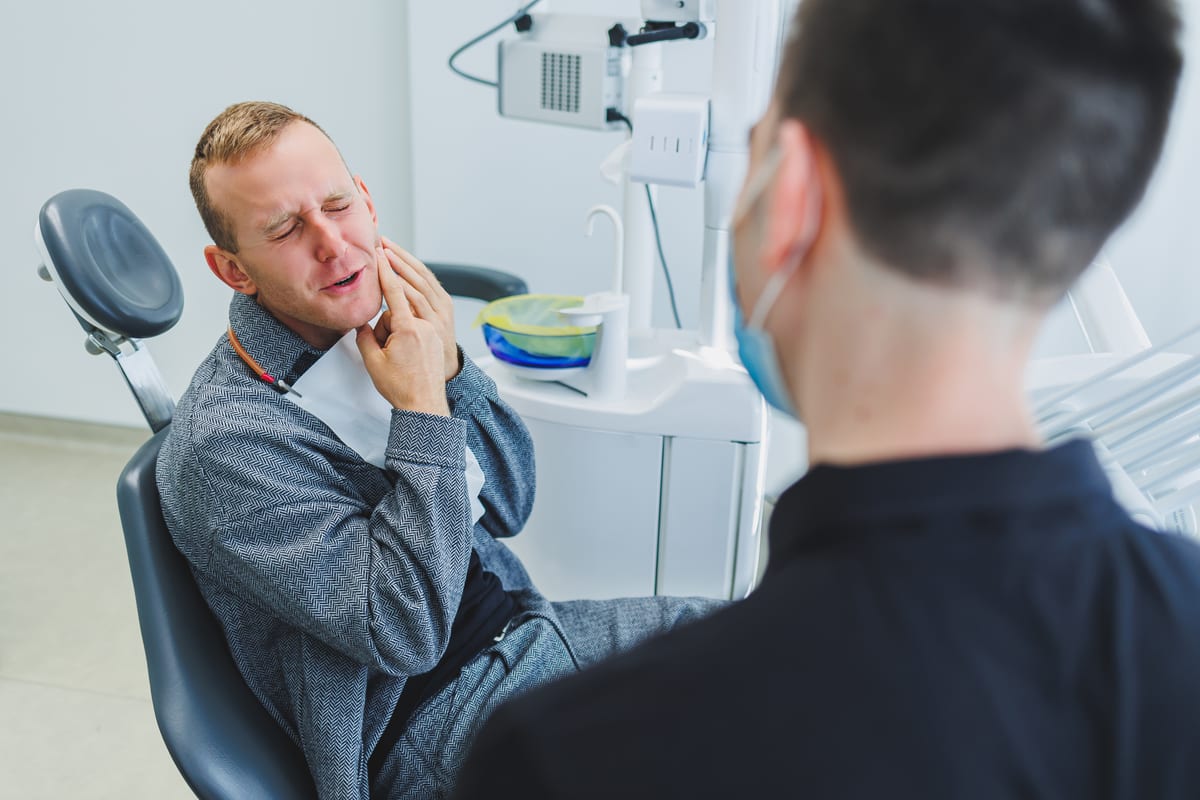

If your child dreads the dentist, you are not alone. Dental anxiety in children is incredibly common across Highlands Ranch and beyond. Helping your anxious child at the dentist with evidence-based strategies that actually work in Highlands Ranch starts with understanding what drives the fear. At Restore Dental – Highlands Ranch, Dr. Dave Chiu and our team work every day to make young patients feel genuinely safe and heard.
This article gives parents practical, research-backed tools. We will not suggest dismissing your child’s feelings. We will also skip the candy rewards that undermine dental health. Instead, you will find honest strategies grounded in child psychology and pediatric dental best practices.
Why Children Develop Dental Anxiety in Highlands Ranch
Dental anxiety does not appear out of nowhere. It usually develops from a specific source — a past painful experience, a frightening story, or a sensory sensitivity. Children in Highlands Ranch are no different from kids anywhere. They pick up on parental anxiety, too. Studies show that parents who fear the dentist are more likely to have anxious children.
The dental environment itself can feel overwhelming. Bright lights, unfamiliar smells, and the sound of instruments all trigger the nervous system. Young children especially lack the cognitive tools to process these inputs calmly. Understanding the root cause helps you choose the right response.
Common triggers include:
- Fear of pain or needles
- Sensory sensitivities to sound, light, or touch
- Loss of control while sitting in the dental chair
- Negative stories from peers or older siblings
- A difficult prior dental experience
Evidence-Based Strategies That Actually Work for Anxious Children
Research in pediatric dentistry points to several reliable techniques. These approaches are used by child psychologists and pediatric dental professionals alike. They work because they address the emotional and cognitive needs of children directly.
Tell-Show-Do is one of the most validated techniques in pediatric dentistry. The dentist tells the child what will happen, shows them the tool, and then does the procedure. This reduces the element of surprise, which is a major driver of fear. Dr. Dave Chiu uses this approach consistently with young patients.
Controlled breathing is another powerful tool. Teaching your child to take slow, deep belly breaths activates the parasympathetic nervous system. Practice this at home before the appointment. Even young children can learn a simple breathing rhythm of four counts in and four counts out.
Positive reframing shifts the narrative. Instead of saying