Losing a tooth can feel like a minor issue at first. After all, you might think you can still chew just fine or smile without anyone noticing. But what many people don’t realize is that a missing tooth can cause a chain reaction of problems over time. The longer you wait to replace it, the more complicated things can get. From your bite and jawbone to your overall appearance, your oral health can take a serious hit.
Let’s walk through what actually happens when a tooth goes missing and why you should not delay fixing the gap.
Your Jawbone Starts to Shrink
One of the first problems that happens is bone loss in your jaw.
- The jawbone relies on tooth roots to stay strong and active.
- When a tooth is missing, the bone under that space stops getting stimulated.
- This causes the bone to shrink or weaken over time.
- You might not feel it right away, but it changes the shape of your face gradually.
- Your cheeks may begin to sink in, and your jawline might look less defined.
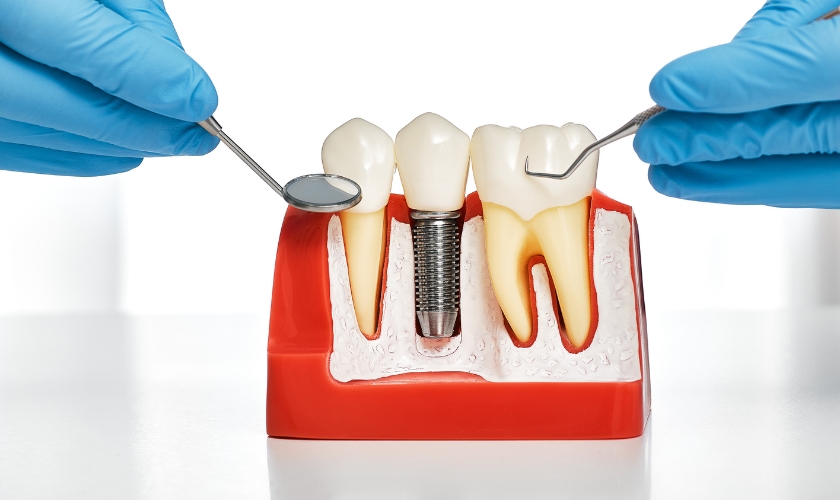
Once bone loss starts, it becomes harder to place a dental implant Highlands Ranch. That’s why acting quickly matters.
Teeth Begin to Shift Out of Place
Your teeth work together like a team. When one goes missing, the rest start to drift.
- Nearby teeth lean into the gap, making your bite uneven.
- Teeth from the opposite jaw may grow into the open space.
- This can create gaps or crowding elsewhere in your mouth.
- Misaligned teeth are harder to clean and more prone to decay.
Soon, what started as a single missing tooth can affect your entire smile. It may even lead to bite problems or jaw discomfort.
Your Bite Can Change
Missing teeth change how your upper and lower teeth fit together.
- You may start chewing on one side more than the other.
- Over time, this puts uneven pressure on your jaw joints.
- This can lead to issues like jaw clicking, popping, or soreness.
- You might develop TMJ symptoms, such as headaches or neck pain.
Chewing Becomes Difficult
Each tooth has a job. When one is missing, chewing food becomes less effective.
- You may avoid crunchy or chewy foods altogether.
- This limits your diet and could affect your nutrition.
- Food that isn’t chewed well can also upset your digestion.
In the long run, this affects not only your oral health but your overall wellness, too.
Speech May Be Affected
You may not notice it at first, but missing teeth can change the way you talk.
- Sounds like “s,” “t,” or “th” rely on proper tongue placement.
- A gap can affect airflow, causing a lisp or other changes.
- Speaking may require more effort, especially in social settings.
If you’re often repeating yourself or feeling self-conscious, it might be due to that missing tooth.
Risk of Gum Disease Increases
An empty space in your mouth is hard to clean properly.
- Food particles can collect in the gap.
- Bacteria may build up faster, putting nearby gums at risk.
- Over time, this increases your chance of gum disease or infections.
Once gum disease starts, it can spread and threaten more teeth. Keeping your gums healthy becomes a lot more difficult when gaps are left untreated.
Self-Esteem Can Take a Hit
Your smile plays a big role in how you feel about yourself.
- A missing front tooth can make you hesitant to smile or laugh.
- Even missing back teeth can affect your confidence in social situations.
- You may start avoiding photos, conversations, or even meals with others.
That kind of emotional toll can wear on your daily life and self-image. Replacing missing teeth often restores not just your smile, but your self-assurance, too.
The Cost of Delay Gets Higher
Many people delay treatment because they’re trying to save money. But waiting too long can have the opposite effect.
- Bone loss may require bone grafting before an implant is placed.
- Shifting teeth may need orthodontic treatment to fix alignment.
- TMJ issues can require bite adjustments or appliances.
- Replacing multiple teeth is always more costly than fixing one.
Early replacement is almost always more affordable than waiting and dealing with complications later.
What Are Your Replacement Options?
If you’re ready to act, several choices are available:
Dental Implants
These look, feel, and work like real teeth. They also help keep your jawbone healthy.
Bridges
A dental bridge uses nearby teeth to hold the replacement in place.
Dentures
Modern dentures offer a natural look and better comfort than older versions. Your dentist can guide you toward the best choice for your needs, budget, and lifestyle.
A missing tooth might seem like a small issue at first. But as you’ve seen, the effects can spread quickly and impact many parts of your health. From shifting teeth to jawbone changes and even nutrition, leaving a gap untreated brings more problems than most expect.
Getting ahead of it now can save time, stress, and money later. If you’ve lost a tooth, talk to your dentist soon about your replacement options. Acting sooner is always better—for your health, your smile, and your peace of mind.