
Teeth Whitening & Enamel Safety: What You Really Need to Know
February 24, 2026
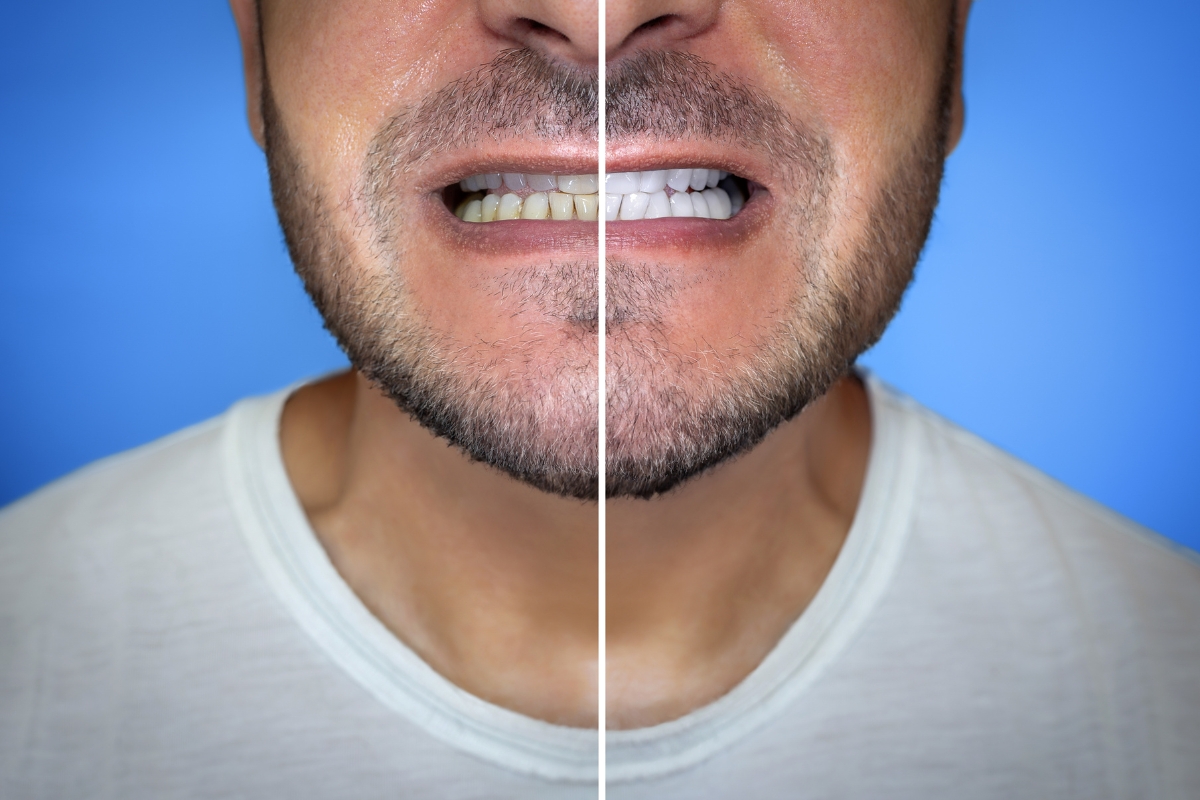
Does Teeth Whitening Actually Damage Your Enamel?
The correct question to start with when conducting research for your first search is this particular question.
The short answer is that professional teeth-whitening procedures, when performed by dental experts, do not harm enamel. The concern usually comes from overuse of whitening products or using the wrong ones without guidance.
Most whitening treatments contain hydrogen peroxide or carbamide peroxide as the active ingredient. These agents work by breaking down stain molecules inside the tooth. The agents do not strip enamel; instead, they lighten its internal pigment.
That said, does teeth whitening damage enamel when you overdo it at home? It can cause temporary sensitivity and, over time, surface irritation — especially with high-concentration OTC products used too frequently. That’s the difference between supervised care and self-treating.
Here are some important facts to keep in mind:
- Temporary enamel sensitivity is a common side effect of whitening treatments, but it usually resolves within one to two days.
- Professional whitening treatments use carefully controlled concentrations that are safe for your enamel.
- The quality and concentration of whitening products can vary, and professional treatments often deliver stronger, more effective results than many over-the-counter options.
How Teeth Whitening Actually Works
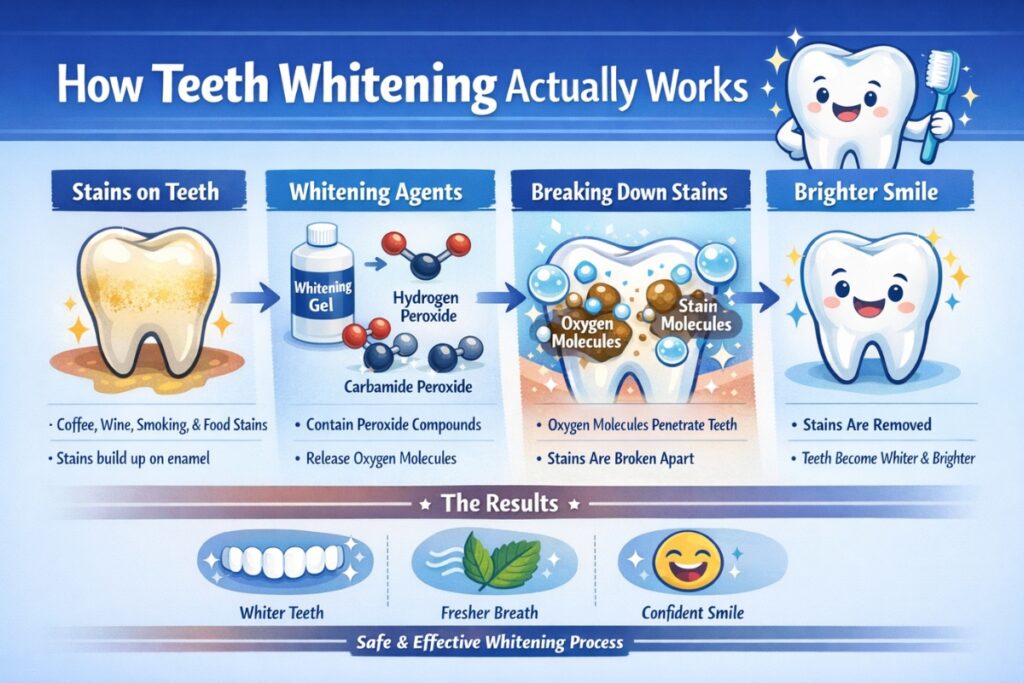
Enamel functions as a sponge, absorbing the color of coffee, tea, wine, berries, and tobacco over time. Whitening agents work to reverse the process that causes teeth to stain.
The peroxide in whitening gels penetrates the outer enamel layer and breaks apart the chemical bonds that hold stain particles together. The process results in a tooth that appears brighter and lighter, while maintaining its original tooth structure.
In-office whitening speeds this up by using higher-concentration gels that require light or laser activation. The process delivers results visible after one session because it works faster.
At-home whitening trays (custom-fitted by a dentist) use a lower concentration applied over several nights. Slower, but effective and gentler for those with sensitivity.
The quality of over-the-counter strips and kits varies significantly across products. Some products deliver satisfactory results for users with mild surface staining. Some products create gum irritation or produce inconsistent results.
Common Teeth Whitening Myths — Cleared Up
A lot of bad information circulates online. Here are a few myths that keep coming up:
“Charcoal toothpaste whitens teeth naturally.” Not supported by clinical evidence. In fact, its abrasive texture may wear down enamel over time. The ADA has not approved any charcoal dental products.
“Whitening ruins your enamel permanently.” Not when done properly. Studies show that professional whitening doesn’t cause measurable enamel loss at recommended use levels.
“If it hurts, it’s working.” No. Sensitivity is a side effect to manage, not a sign of effectiveness. If whitening causes significant pain, stop and consult your dentist.
“All teeth can be whitened equally.” Not true. Whitening works best on yellow-toned staining from diet or lifestyle. Grayish stains from medications (such as tetracycline) or fluorosis may respond differently and may require alternative cosmetic treatments.
Who Is a Good Candidate for Whitening?
Teeth whitening in Highlands Ranch, CO requires an individual assessment because there is no single method that works for all patients. The following conditions make you eligible for treatment:
- Your teeth remain healthy with no active cavities or gum disease.
- Your staining results are influenced by external factors, including food and drinks, as well as tobacco use.
- You don’t have crowns, veneers, or bonding on your front teeth (these won’t whiten)
- You’re not pregnant or nursing
Highlands Ranch residents who need teeth whitening should start their treatment with a professional consultation rather than buying over-the-counter products at a drugstore. A dentist can assess your enamel health, identify the cause of your staining, and recommend the right approach.
What Is the Best Teeth Whitening Option?
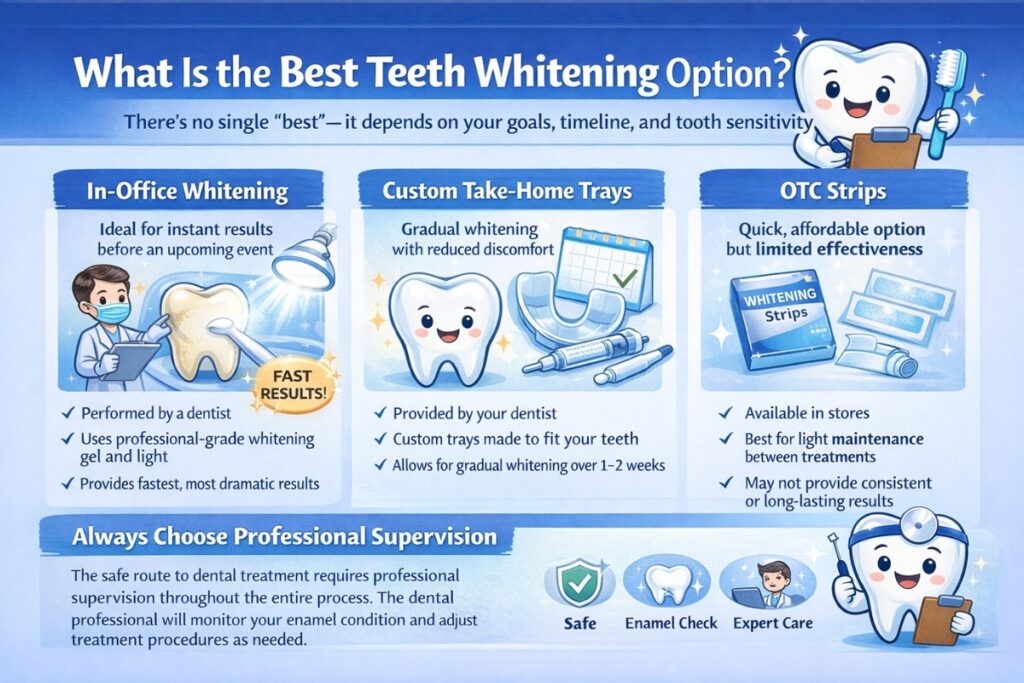
There’s no single “best” — it depends on your goals, timeline, and tooth sensitivity.
- In-office whitening offers the ideal solution for people who require instant results before their upcoming event.
- Patients who need gradual teeth whitening with reduced discomfort should use custom take-home trays from their dentist.
- OTC strips can work for light maintenance between professional treatments, but shouldn’t be your primary method
The safe route to dental treatment requires professional supervision throughout the entire process. The dental professional will monitor your enamel condition and adjust treatment procedures as needed.
A Note on Sensitivity After Whitening
Tooth sensitivity is one of the most common side effects of tooth whitening, and it is important to address it honestly. This occurs because peroxide temporarily opens dentinal tubules, small channels in the teeth that lead to nerves, causing discomfort or pain. Usually, this discomfort or pain will go away on its own in 1-2 days.
There are several ways you may be able to reduce sensitivity:
- Use a sensitivity toothpaste containing potassium nitrate both before and after whitening
- Avoid extremely hot or cold foods or drinks for the first 48 hours following a tooth whitening
- Space out sessions rather than whitening back-to-back nights
- Ask your dentist whether lower-concentration products may work better for you than higher-concentration products.
Whitening Your Smile Is Your Choice, Make It An Informed One
Teeth whitening in Highlands Ranch, CO, is one of the most popular and readily available cosmetic dental treatments today. However, when performed correctly, whitening is both safe and highly effective. It is important to know what products you are using, how to use them, and if your teeth are healthy enough to withstand the process.
At Restore Dental, our team provides a straightforward process for patients to choose their whitening options, with comprehensive information and personalized treatment plans. If you have been considering whitening but have questions about your enamel’s health or which option is best for you, get in touch with us today so we can assist you.
Ready to Whiten With Confidence?
Book a whitening consultation at Restore Dental today. Get professional advice tailored to your smile — no guesswork, no one-size-fits-all kits—just clear, honest care from a team that puts your dental health first.
Serving Highlands Ranch, CO, and surrounding communities at restoredentalco.com
Common Questions About Teeth Whitening & Enamel Safety
1. Is professional teeth whitening safe for sensitive teeth?
Yes, with modifications. Dentists can use lower-concentration gels or desensitizing agents to make the process comfortable. Always disclose sensitivity before starting any whitening treatment.
2. How long do teeth whitening results last?
Typically, six months to two years, depending on your diet and oral hygiene habits. Touch-ups with custom trays can significantly improve results.
3. Can whitening damage existing dental work like crowns or fillings?
Whitening agents don’t affect crowns, veneers, or composite fillings. This can lead to color mismatches, which is why dentists recommend whitening before any cosmetic restorations.
4. How often can I safely whiten my teeth?
In-office treatments are typically recommended once or twice a year. At-home trays vary by concentration — your dentist will guide the schedule based on your enamel health.
5. Are whitening toothpastes effective?
They can remove mild surface stains, but they don’t change the tooth’s internal color. They’re better suited to maintenance than to primary whitening.
Posted on behalf of Restore Dental
9362 S Colorado Blvd Ste D-14 Highlands Ranch, CO 80126
Phone: (720) 863-7855
Monday: 8am - 7pm
Tuesday: 7am - 5pm
Wednesday: 7am - 5pm
Thursday: 9am - 5pm
Friday: 8am - 1pm (by appt only)
Tuesday: 7am - 5pm
Wednesday: 7am - 5pm
Thursday: 9am - 5pm
Friday: 8am - 1pm (by appt only)
Visit us in highlands ranch and restore your smile
Book Online Here
