
Daily Oral Hygiene Tips That Can Avoid Serious Dental Issues
August 20, 2024
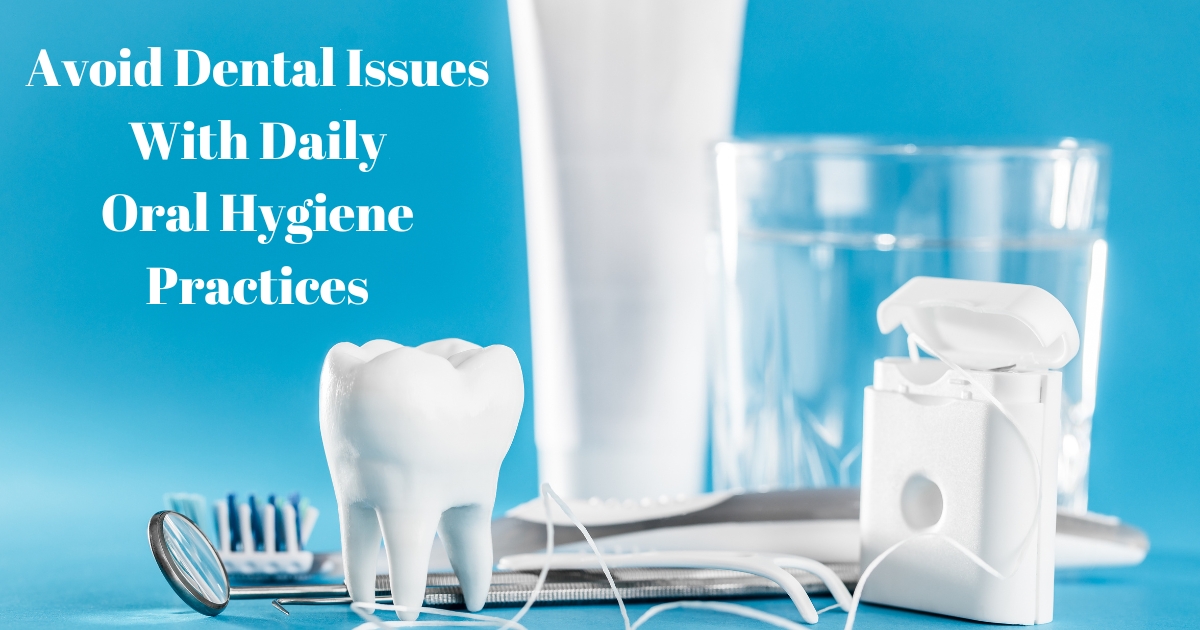
Maintaining a bright smile isn’t just about aesthetics—it’s essential for overall health.
You might think your daily brushing and flossing routine is enough, but did you know that these small habits can prevent major dental issues?
What you do daily is crucial in keeping your mouth healthy, from avoiding cavities to preventing gum disease.
Let’s dive into the key daily practices that can make a real difference.
We’ll explore how simple habits like brushing correctly, flossing, and even choosing the right mouthwash can protect your teeth from serious problems down the road. Read on to discover how these straightforward steps can help you maintain a healthy smile and avoid costly dental treatments in the future.
Ready to transform your oral hygiene routine? Let’s get started!
Brushing: The Cornerstone of Oral Hygiene
Brushing your teeth is the foundation of a good oral hygiene routine. However, doing it correctly is crucial for effective cleaning and preventing dental issues. Here’s how to brush effectively:
- Recommended Brushing Technique: Use a gentle circular motion with your toothbrush. Avoid scrubbing back and forth, which can damage your gums and enamel. Brush every surface of each tooth, including the outer, inner, and chewing surfaces. Don’t forget your tongue, as bacteria can accumulate there.
- Choosing the Right Toothbrush: Opt for a soft-bristled toothbrush to avoid damaging your gums. Whether you choose a manual or electric toothbrush, ensure it has a comfortable handle and fits well in your mouth. Electric toothbrushes can be more effective for some people due to their consistent brushing motion.
- Brushing Frequency and Duration: Brush twice daily, ideally after breakfast and before bed. Spend at least two minutes each time you brush. A timer can help ensure you brush for the full duration.
Flossing: An Essential Practice
Flossing is often overlooked, but it’s critical to maintain oral health. It reaches areas between teeth that brushing alone cannot clean.
- Benefits of Flossing: Flossing removes plaque and food particles trapped between your teeth and below the gumline. This helps prevent tooth decay and gum disease, reducing your risk of serious dental issues.
- Correct Flossing Technique: Gently slide the floss between your teeth, making a C-shape around each tooth. Move the floss up and down to clean the sides. Avoid snapping the floss, which can damage your gums.
- Alternative Flossing Tools: If traditional floss is difficult to use, consider floss picks or water flossers. Floss picks are handy for quick clean-ups, while water flossers use pulsating water to clean between teeth and are especially useful for those with braces or implants.
Mouthwash: A Boost for Your Routine
Mouthwash can enhance oral hygiene, offering benefits beyond brushing and flossing.
- Types of Mouthwash: There are various types, including antibacterial, fluoride, and alcohol-free mouthwashes. Antibacterial mouthwashes kill bacteria that cause gum disease, fluoride mouthwashes strengthen enamel, and alcohol-free options are gentler on the mouth.
- How to Use Mouthwash Effectively: Rinse with mouthwash for 30 seconds to one minute. Swish it around your mouth, making sure it reaches all areas. To let the ingredients work, avoid eating or drinking for at least 30 minutes after use.
- Role in Preventing Dental Issues: Mouthwash can help reduce bad breath, fight plaque, and protect against gum disease. It’s a great addition to your daily routine for a complete oral care regimen.
Diet and Its Impact on Oral Health
What you eat significantly affects your dental health. A balanced diet supports healthy teeth and gums.
- Foods that Promote Oral Health: Incorporate foods rich in calcium, like dairy products, and those high in vitamins C and D, such as fruits and leafy greens. These nutrients help keep your teeth strong and your gums healthy.
- Foods to Avoid: Limit sugary snacks and acidic foods like citrus fruits and sodas. Sugar feeds harmful bacteria in your mouth, while acids can erode tooth enamel.
- Hydration and Its Benefits: Drinking plenty of water helps rinse away food particles and bacteria. It also supports saliva production, which naturally protects your teeth.
Regular Dental Check-ups
Routine dental visits are crucial for maintaining long-term oral health and catching issues early.
- Importance of Routine Visits: Regular check-ups help identify problems before they become serious. Your Highlands Ranch dentist can detect cavities, gum disease, and other issues that may not be visible to you.
- What to Expect During a Dental Visit: The dentist will perform a thorough cleaning, examination, and possibly X-rays. They will also check for signs of decay, gum disease, and other dental issues.
- Frequency of Visits: Visit your dentist at least twice a year or more frequently if recommended. Children and seniors may have different needs and should consult their dentist in Highlands Ranch, CO, for personalized advice.
Addressing Bad Habits
Certain habits can undermine your dental health. Identifying and addressing them is crucial for maintaining a healthy mouth.
- Impact of Smoking and Tobacco Use: Tobacco products can stain teeth, cause gum disease, and increase the risk of oral cancer. Quitting smoking can significantly improve your oral health.
- Teeth Grinding and Its Consequences: Grinding teeth can lead to enamel erosion and jaw pain. If you grind your teeth, consider wearing a nightguard to protect them.
- Nail-Biting and Other Habits: Nail-biting can chip or crack teeth and introduce bacteria. Try to find alternative stress-relief methods to break the habit.
Special Considerations for Children and Seniors
Different age groups have unique dental needs. Tailoring oral care practices can ensure optimal dental health throughout life.
- Children’s Oral Health: Start brushing children’s teeth as soon as they erupt. Teach them good habits early, and ensure they get fluoride treatments if recommended.
- Senior Oral Care: Older adults may face challenges like dry mouth, gum disease, and tooth loss. Regular dental visits, proper brushing, and using fluoride products can help address these issues.
Taking care of your teeth daily can prevent serious dental issues and keep your smile healthy. By following a consistent oral hygiene routine, you maintain fresh breath and a bright smile and protect against cavities and gum disease. Remember, your daily habits build the foundation for long-term oral health. Embrace these practices, stay proactive with regular check-ups, and enjoy a lifetime of confident smiles!
Posted on behalf of Restore Dental
9362 S Colorado Blvd Ste D-14 Highlands Ranch, CO 80126
Phone: (720) 863-7855
Monday: 8am - 7pm
Tuesday: 7am - 5pm
Wednesday: 7am - 5pm
Thursday: 9am - 5pm
Friday: 8am - 1pm (by appt only)
Tuesday: 7am - 5pm
Wednesday: 7am - 5pm
Thursday: 9am - 5pm
Friday: 8am - 1pm (by appt only)
Visit us in highlands ranch and restore your smile
Book Online Here
