
Eating With Dentures Advice: What to Eat and How to Eat Safely
March 17, 2026
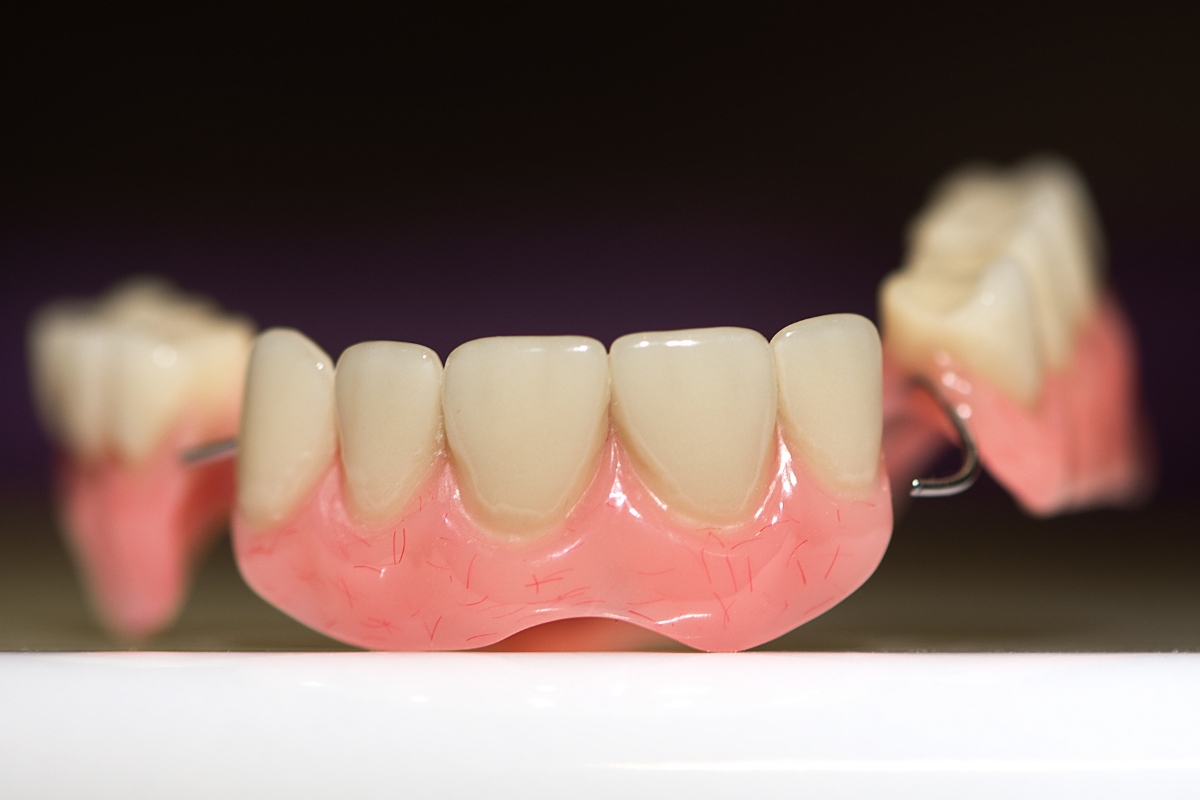
Getting used to eating with dentures right from the start can be a change. Adjusting to new dentures is time-consuming, but with the right steps, it can be easier. It takes some getting used to, and adjusting your eating habits at first will be key. But this adjustment period doesn’t go on for long, and it shouldn’t be long before you’re able to indulge in a wide variety of foods once again.
Starting with soft foods that require little chewing is important when you start wearing dentures. This will help your mouth and dentures become familiar with the new setup without causing discomfort. With some patience and a few tips, you’ll be at your table eating confidently again.
Getting Started with Eating with Dentures
The first time you eat with dentures can feel pretty strange. The feeling of something in your mouth that isn’t your native teeth can be disorienting, and it can change how you eat or talk. But dont worry, this is 100% normal behaviour. At first, always make small bites and chew slowly, allowing your mouth to adjust. For starters, eat soft foods for dentures and avoid tough or hard textures that can overstress them.
A very useful trick to help you go through this is to cut your food into smaller pieces. Not only will it make chewing easier, but you will start to feel more confident with your new dentures in Highland Ranch, CO. You might also want to experiment with foods that don’t require as much chewing, like mashed potatoes or soups, until you feel more at ease with your dentures.
What Can You Eat with Dentures?
Dietary restrictions for dentures change per person. However, soft foods are very important when eating with dentures for the first time. You can start with things like:
- Scrambled eggs
- Mashed potatoes
- Smooth soups and stews
- Steamed vegetables
- Sap fruits, such as bananas or peaches
These foods are gentle on your new dentures and will help you ease back into eating. Once you have gotten used to how your dentures feel, you can gradually start adding more foods into your diet.
Why Soft Foods Matter When You Have Dentures
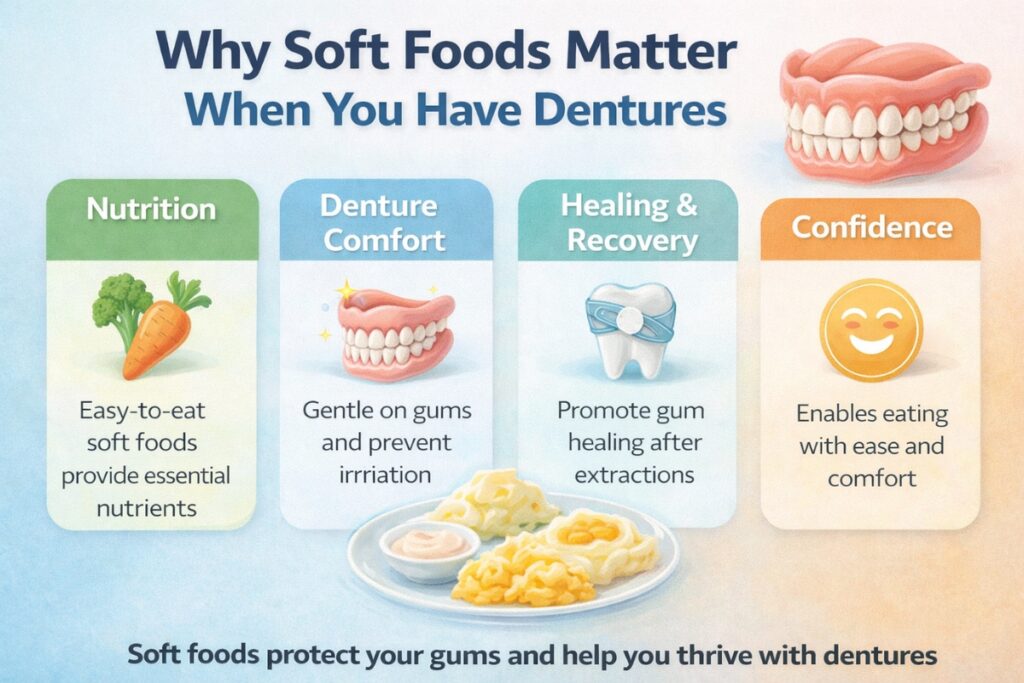
Soft foods are the best option when you first start wearing dentures. They are easy to chew and gentle on your new dentures, helping you adjust more comfortably. These foods can provide the necessary nutrition while minimizing discomfort as you continue to get used to your dentures.
- Minimal Chewing Required: The food you are eating does not require strong slicing or chewing, reducing stress on your dentures and making it easier to get used to.
- Helps Prevent Slippage: These foods are less likely to become lodged under your dentures, which can cause slippage, helping keep your dentures in place.
- Easier for Your Body to Break Down: Soft foods usually put less strain on your digestive tract, which can help you better absorb the nutrients required for optimal health.
- Builds up Confidence: Beginning with softer foods, such as oatmeal or yogurt, helps in building confidence in your chewing and allows you to reintroduce tougher foods slowly as your comfort level rises.
Eating with Dentures: Advice for Success
To help you enjoy meals more comfortably, here are some additional tips for eating with dentures:
- Chew Slowly and Evenly: If you chew on only one side of your mouth, it could cause uneven wear on your dentures. Try chewing your food with both sides of your mouth, which helps equalize the pressure.
- Stay Away from Sticky or Hard Foods: Caramel, chewing gum, and tough meats can stick under your dentures, causing discomfort. Best to skip those until you’re all settled.
- Chew Smaller: Breaking your food into too large pieces to chew is difficult and can cause the denture to shift. Also, try cutting food into bite-sized portions, as that will help you to maintain better control while chewing.
- Drink Plenty of Water: Regularly drinking water will help keep your mouth moist, preventing your dentures from feeling dry or uncomfortable.
- Maintain Routine Care of Your Dentures: This directly affects how you use them and, therefore, your oral health. This, too, helps you enjoy a cozier meal.
Gradually Reintroducing Your Favorite Foods
Once you have adjusted to your dentures, you can gradually reintroduce more of your favorite foods. This gradual reintroduction allows your mouth to adapt and makes mealtime fun. Begin with softer textures, gradually moving up as you gain confidence.
- Begin With Tender Meats and Fish: Cooked fish (especially soft ones) or tender meats (like chicken) are best. These foods are easy to chew and have a more textured consistency than softer foods like yogurt or mashed potatoes.
- Experiment with Soft Bread and Pasta: Slowly introduce soft bread, pasta, or rice. These foods are gentle on your dentures and help you gradually move towards chewing more textured things without discomfort.
- Introduce Vegetables: Steamed or thoroughly cooked vegetables such as carrots and spinach are a good next step. Ensure they are tender and easy to chew, as raw veg is hard on the gut at first.
- Watch What You Eat: If certain foods cause pain or your denture feels loose, avoid them and stick to softer foods for a while. If accompanied by pain, contact your dentist for adjustments to ensure a tight fit.
Your Path to Enjoying Food Again
Adjusting to eating with dentures takes time, but if you follow the right guidelines, you’ll soon be able to relish a wide range of foods once again. You may begin with soft foods, then slowly increase the variety of textures. If you continue to do these things, be patient with yourself and take the steps needed, soon eating comfortably will feel like a breeze!
Here at Restore Dental, we are here to guide you through your denture journey. Contact our office if you are ready to learn how to make eating with dentures simpler, or if anything needs adjusting. Schedule a consultation with our team in Highland Ranch, CO, today to start on the path towards feeling confident and comfortable in your new dentures!
Questions People Ask About Dentures
Can I eat normal food with dentures?
Yes, you can eat most foods with dentures, but it’s recommended to start with soft foods for comfort. Gradually, you can introduce more solid foods once you feel more comfortable with chewing and adjusting to your dentures.
How long will it take to get used to eating with dentures?
Adjusting to eating with dentures may take a few weeks. Start with softer foods, chew slowly, and practice using both sides of your mouth to help speed up the process and make eating feel more natural over time.
Are there any foods I should avoid when wearing dentures?
It’s best to avoid sticky, tough, or hard foods like caramel, popcorn, and tough meats. These can dislodge or damage your dentures. Stick to softer foods until you’re more accustomed to your new dentures.
How do I keep my dentures secure while eating?
To keep dentures secure, chew slowly and evenly on both sides of your mouth. If your dentures slip or cause discomfort, consider visiting your dentist for adjustments to ensure a proper fit.
How do I clean my dentures after eating?
After eating, gently brush your dentures with a soft brush and denture cleaner to remove food particles. Rinse them thoroughly with warm water to keep them clean and prevent any build-up or bacterial growth.
Can I chew gum with dentures?
It’s best to avoid chewing gum initially, as it may cause your dentures to slip or stick. Once you’re fully adjusted, you can try chewing gum in small amounts to test how your dentures hold up.
Posted on behalf of Restore Dental
9362 S Colorado Blvd Ste D-14 Highlands Ranch, CO 80126
Phone: (720) 863-7855
Monday: 8am - 7pm
Tuesday: 7am - 5pm
Wednesday: 7am - 5pm
Thursday: 9am - 5pm
Friday: 8am - 1pm (by appt only)
Tuesday: 7am - 5pm
Wednesday: 7am - 5pm
Thursday: 9am - 5pm
Friday: 8am - 1pm (by appt only)
Visit us in highlands ranch and restore your smile
Book Online Here
