
How a Root Canal Can Protect Your Natural Teeth?
August 10, 2024
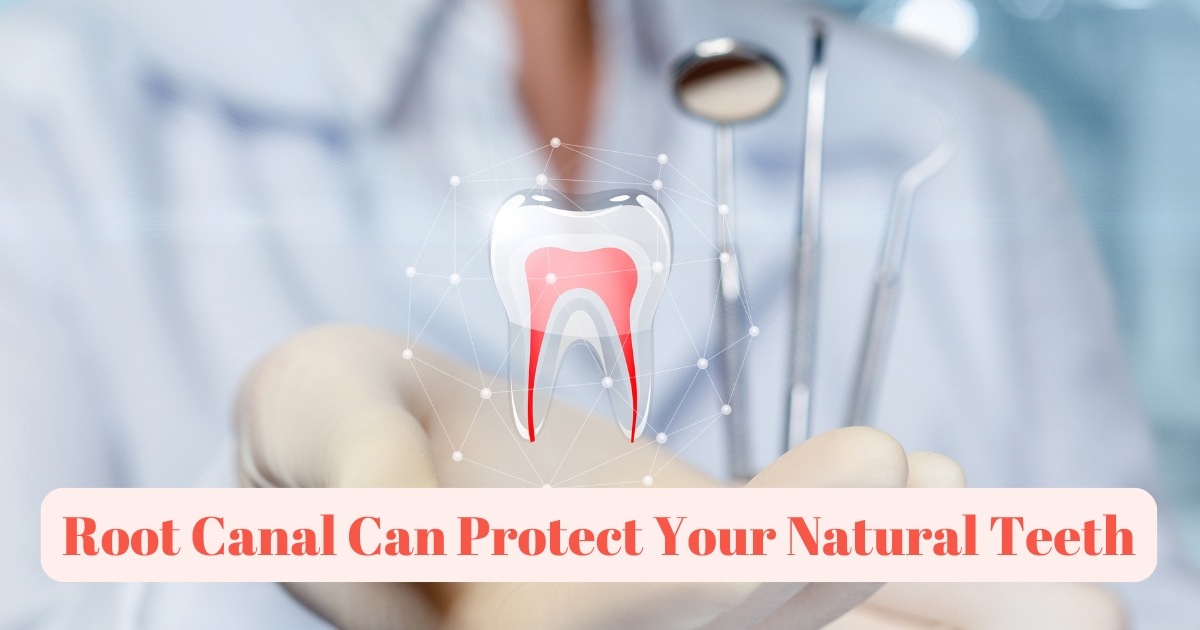
When you hear the term “root canal,” what comes to mind?
For many, it’s a procedure shrouded in mystery and apprehension.
But what if a root canal isn’t just about saving a tooth; it’s about preserving a crucial part of your smile and overall oral health? You’re in the right place if you’ve ever wondered how this procedure works and its importance.
Root canals seem intimidating, but they’re a remarkable solution for protecting your natural teeth. By delving into root canals’ process, benefits, and long-term outcomes, we’ll uncover how this treatment can keep your smile intact.
So, let’s break down the procedure step-by-step and explore why saving your natural teeth is often the best choice for your dental health. Ready to demystify the root canal and see why it’s more than just a dental procedure? Let’s dive in!
Why Might You Need a Root Canal?
A root canal can sound intimidating, but it’s often a crucial step in saving a damaged tooth. Here’s why a tooth might require this procedure:
- Decay: Deep cavities can reach the pulp, causing significant pain and infection.
- Infection: Bacteria can invade the tooth’s root, leading to severe discomfort and possible abscess formation.
- Trauma: A tooth injury from an accident or fall can damage the pulp, necessitating a root canal.
Signs and Symptoms:
- Persistent toothache or sensitivity to heat and cold.
- Swelling or tenderness in the gums near the affected tooth.
- Discoloration of the tooth, indicating possible infection.
Delaying treatment can lead to more severe issues, such as widespread infection or tooth loss. Addressing these symptoms promptly with a root canal can prevent further complications and preserve your tooth’s health.
The Root Canal Process: What to Expect?
Understanding the root canal procedure can help ease your concerns and prepare you for treatment. Here’s a breakdown of what happens during the process:
- Initial Exam: Your Highlands Ranch dentist will perform a thorough examination and X-rays to assess the tooth’s condition.
- Anesthesia: Local anesthesia numbs the affected area to ensure a pain-free experience.
- Access Opening: The dentist drills a small hole to access the tooth’s pulp chamber.
- Cleaning and Shaping: The dentist removes infected tissue and shapes the canals for filling.
- Filling: The cleaned canals are filled with a biocompatible material to seal them.
- Sealing: Finally, the tooth is sealed with a temporary or permanent restoration.
Why Saving Your Natural Tooth Matters?
Preserving your natural teeth offers significant benefits, making root canals preferable to extraction. Here’s why keeping your tooth is so important:
- Functionality: Natural teeth play a critical role in chewing and speaking. Saving a tooth ensures you maintain normal oral function.
- Oral Health: Natural teeth help maintain the structure of your mouth, preventing adjacent teeth from shifting.
- Alignment: Keeping your natural teeth preserves the alignment and spacing in your smile.
Root Canal vs. Tooth Extraction: A Comparison
Choosing between a root canal and tooth extraction can impact your long-term dental health. Here’s how they stack up:
Root Canal Therapy:
- Pros: Saves the natural tooth, maintains oral function, and prevents shifting of surrounding teeth.
- Cons: Requires multiple visits.
Tooth Extraction:
- Pros: Immediate relief from pain and infection.
- Cons: Requires a replacement option, like an implant or bridge, which can be expensive and involve additional procedures.
Root canals often offer a better outcome for overall dental health by preserving your natural tooth and its function.
Long-Term Outlook for Root Canals
Root canal therapy is highly successful and can last a lifetime with proper care. Here’s what to know about their long-term effectiveness:
- Success Rates: Root canal procedures have a high success rate, often exceeding 90%.
- Influencing Factors: Success depends on the tooth’s condition, the extent of infection, and the quality of the dental work.
- Longevity: To ensure the longevity of your treated tooth, maintain good oral hygiene and attend regular dental check-ups.
Root canals might sound daunting, but they’re a powerful way to preserve natural teeth and maintain oral health. You choose a path supporting long-term dental well-being by addressing infections and saving your teeth. Remember, a root canal relieves pain and keeps your smile intact. Consult your dentist in Highlands Ranch, CO, to explore this effective treatment and keep your teeth healthy and functional for years.
Posted on behalf of Restore Dental
9362 S Colorado Blvd Ste D-14 Highlands Ranch, CO 80126
Phone: (720) 863-7855
Monday: 8am - 7pm
Tuesday: 7am - 5pm
Wednesday: 7am - 5pm
Thursday: 9am - 5pm
Friday: 8am - 1pm (by appt only)
Tuesday: 7am - 5pm
Wednesday: 7am - 5pm
Thursday: 9am - 5pm
Friday: 8am - 1pm (by appt only)
Visit us in highlands ranch and restore your smile
Book Online Here
