
Do You Need a Nightguard? How Dentists Protect Teeth from Grinding
January 19, 2026
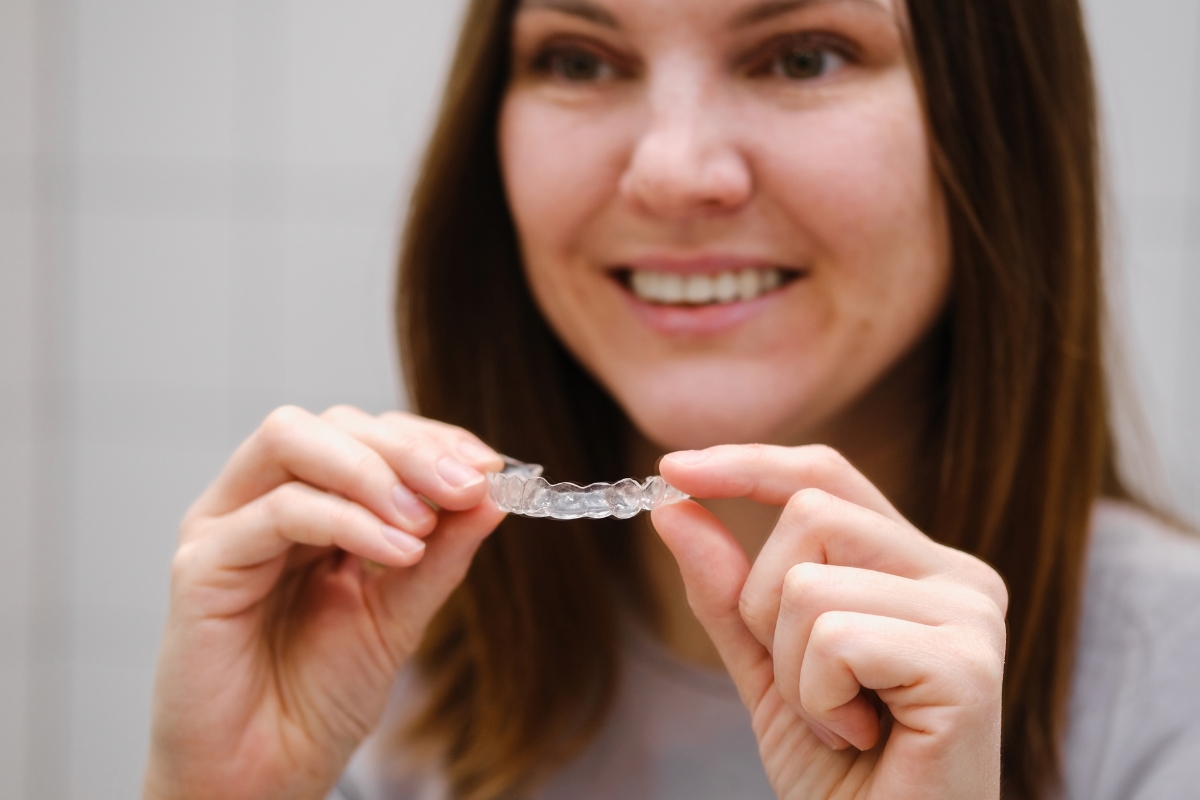
Teeth grinding, also known as bruxism, is a problem that a lot of people face on a regular basis without actually realizing it. It has been noticed that this problem affects a lot of people when they are sleeping because it can sometimes result in jaw pain and dental problems.
If you wake up with jaw pain, it is a sign that you grind your teeth at night. One of the best ways to protect your teeth from such damage is to wear a nightguard. It is designed by a dentist and serves as a safeguard that helps prevent your teeth from grinding together while you sleep.
What is a Dental Nightguard?
A dental nightguard is an oral appliance that fits over your teeth while you sleep. This appliance helps to protect your teeth by creating a barrier between your upper and lower teeth to prevent grinding. A nightguard for teeth is carefully designed by a dental practitioner to fit your teeth in order to provide you with the best protection from the effects of grinding.
When you use a nightguard in Highland Ranch, CO, it helps absorb the pressure exerted during bruxism, which relieves your teeth, gums, and jaw muscles of the tension associated with teeth grinding. This is significant because, without treatment, grinding can cause various dental problems, such as a fractured or sensitive tooth, or even temporomandibular joint (TMJ) disorders.
How Do Nightguards Assist in Protecting Teeth from Grinding?
Nightguards are made with the intention of solving the cause and effect associated with teeth grinding. Here’s how nightguards work:
1. Prevents Tooth Damage
It protects against the effects of grinding and prevents enamel wear and tear. You could end up with broken teeth if the problem is not addressed. It helps to protect your teeth by creating a buffer.
2. Relieves Jaw Pain and Tension
Bruxism can exert significant pressure on the jaw muscles, leading to tenderness, stiffness, or even headaches. Wearing a mouth guard during sleep relieves this stress on the jaw muscles.
3. Minimizes TMJ Issues
Grinding may also lead to Temporomandibular Joint Disorder, which results in jaw pain and stiffness. The mouthguard helps maintain jaw stability and may help prevent TMJ syndrome.
4. Prevents Teeth Sensitivity
Grinding away the enamel can cause teeth to become sensitive. By protecting the teeth’s enamel, the mouth guard prevents sensitivity and allows an individual to enjoy the foods they want.
Signs You May Need a Nightguard
How do you know if a nightguard would be a good option for you? Find below some of the signs that might suggest using a nightguard:
- Waking Up with a Sore Jaw and Teeth: If you notice that you are having jaw pain or soreness when you wake up in the morning, it could be that you are grinding and clenching your teeth in your sleep at night.
- Frequent Headaches: Grinding of the teeth can cause tension headaches, particularly around the temples and forehead.
- Tooth Wear/Damage: If you notice your teeth are being worn down or damaged, it could be a sign of bruxism.
- Jaw Clicking or Popping: This could indicate temporomandibular joint dysfunction. This condition is commonly associated with tooth grinding.
- Increased Tooth Sensitivity: Grinding may cause enamel erosion, increasing your teeth’s sensitivity to hot and cold substances.
If any of these symptoms are affecting you, it might be a good idea to come see your dentist in Highland Ranch, CO, to discuss an assessment of whether a mouthguard is needed.
Benefits of Custom Nightguards Over Store-Bought Options
Although over-the-counter nightguards are available, their effectiveness during fitting is considered less than ideal. This is why opting for the custom mouth guard made by your dentist is the better option:
- Better Fit: Custom nightguards fit your mouth only and provide the highest level of comfort and protection. Over-the-counter nightguards may be universal, but they can be uncomfortable to wear.
- Higher Durability: A dentist-designed mouth guard is made of strong materials that can withstand the forces of teeth grinding over time. An over-the-counter night guard might not last for that long.
- Personalized Protection: Your dentist will take impressions of your teeth and design a mouth guard tailored to your bite. This is a better way to protect your teeth than using a general nightguard.
Can a Nightguard Help Prevent Teeth Grinding at Night?
If you grind your teeth during sleep due to bruxism, you will greatly benefit from nightguards. Although this device is not intended to cure this condition, using nightguards can help protect your teeth, jaw, and TMJ from the adverse effects of grinding. It may also protect you from headaches triggered by teeth grinding.
Nightguard Cleaning and Care
To keep your nightguard in good condition and functioning at its optimal level for a long time, it needs to be cleaned regularly. Here are some tips to follow when cleaning your nightguard:
- Clean After Each Use: Rinse the mouth guard with warm water, then use a toothbrush to remove any plaque buildup.
- Use a Cleaning Solution: You could occasionally soak your mouthguard in a solution designed for dental appliances. This helps remove any bacterial buildup.
- Store it Properly: It is recommended that you store your mouth guard in a protective case when not in use.
- Avoid Harsh Chemicals: Avoid using toothpaste or harsh chemicals on your nightguard, as this may damage the material.
With these easy-to-follow care tips, you can easily keep your mouth guard in great condition for years to come.
End Bruxism and Promote Long-term Oral Health
Teeth grinding presents a problem for many people and can often cause significant issues if it’s allowed to continue unattended. One of the most effective methods for safeguarding your smile against the consequences of teeth grinding is using a nightguard. If you’re unsure whether you need a nightguard or if you grind your teeth, it is essential to visit a dentist.
If you think a nightguard in Highland Ranch, CO, might benefit you, give us a call today at Restore Dental and schedule your consultation. Our team is ready to assist you in taking the first step on your journey towards a strong and healthier smile.
FAQs
1. Can a nightguard stop teeth grinding?
A nightguard helps prevent teeth grinding by providing a barrier between your upper and lower teeth. While it does not stop grinding, it protects your teeth from the damage caused by bruxism.
2. How long does a nightguard last?
The lifespan of a nightguard varies depending on the material used and how well it’s maintained. On average, a custom nightguard can last between 3 to 5 years with proper care.
3. Can I use a store-bought nightguard instead of a custom one?
Store-bought nightguards are often less comfortable and effective than custom-made ones. A dentist-designed nightguard offers a more precise fit and better protection for your teeth.
4. Is teeth grinding common?
Yes, teeth grinding is relatively common, especially at night. It can be caused by stress, misaligned teeth, or other factors like sleep disorders.
5. How do I know if I need a nightguard?
If you wake up with a sore jaw, teeth, or frequent headaches, or notice signs of tooth wear, it’s a good idea to see a dentist for an evaluation. A nightguard may help protect your teeth from the effects of grinding.
Posted on behalf of Restore Dental
9362 S Colorado Blvd Ste D-14 Highlands Ranch, CO 80126
Phone: (720) 863-7855
Monday: 8am - 7pm
Tuesday: 7am - 5pm
Wednesday: 7am - 5pm
Thursday: 9am - 5pm
Friday: 8am - 1pm (by appt only)
Tuesday: 7am - 5pm
Wednesday: 7am - 5pm
Thursday: 9am - 5pm
Friday: 8am - 1pm (by appt only)
Visit us in highlands ranch and restore your smile
Book Online Here
