
What Are The Symptoms Of Silent Sleep Apnea?
April 21, 2025
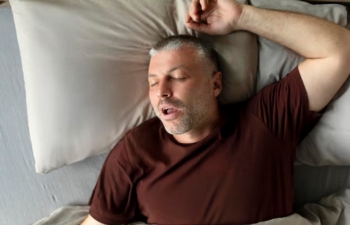
Your throat tissues can become overly relaxed during sleep, potentially blocking your airway and triggering sleep apnea. When this happens, your breathing is interrupted, causing you to gasp or choke unknowingly. Many individuals don’t even realize these episodes occur. Often, it’s the sleep partner who notices the irregular breathing or gasping sounds.
Given this scenario, many people wonder whether sleep apnea can exist without the loud, telltale snoring. Could it be possible to have a “silent” form of sleep apnea? Let’s explore this idea by looking into the facts, symptoms, and available treatment options for sleep apnea.
Link Between Sleep Apnea and Snoring
Sleep apnea is a condition characterized by repeated interruptions in breathing during sleep, often accompanied by a choking or gasping sensation. Snoring commonly occurs when there’s a partial obstruction in the airway, leading to tissue vibration in the throat and the familiar snoring noise.
Various factors may contribute to both snoring and sleep apnea. These include excess body weight, alcohol use, smoking, nasal congestion, enlarged tonsils, or a naturally narrow airway. Snoring is often an early warning sign that may eventually progress into full-blown sleep apnea. Typically, someone might snore loudly and then experience pauses in breathing, followed by gasping or choking as they try to breathe again.
Both snoring and sleep apnea negatively impact sleep quality. While snoring can disturb both the snorer and their partner, sleep apnea disrupts normal breathing patterns and can lead to frequent awakenings, resulting in fatigue and other symptoms.
Left unaddressed, sleep apnea has been associated with more serious health issues such as heart disease, high blood pressure, stroke, and diabetes. While snoring may not pose the same direct risk, it can still hinder restful sleep and well-being.
Can You Have Sleep Apnea Without Snoring?
Absolutely—sleep apnea can occur even if you don’t snore. Snoring is simply a noise caused by airflow through a narrowed or blocked airway, but it’s not a definitive sign of sleep apnea. There are different forms of this condition: obstructive sleep apnea, central sleep apnea, and mixed types.
In cases of central sleep apnea, the brain fails to send the correct signals to muscles that control breathing, resulting in breathing disruptions without any physical blockage—or snoring. In obstructive sleep apnea, the airway becomes blocked, but snoring may not always occur.
If the airway becomes completely closed, there is no vibration, and thus, no sound. This makes it possible to have sleep apnea without the usual snoring.
It’s necessary to consider a Sleep apnea treatment in Highlands Ranch to treat these issues.
Identifying Sleep Apnea Without Snoring: Silent Symptoms
It’s crucial to recognize that sleep apnea can exist without snoring. Here are some subtle yet telling signs that may indicate the presence of this condition:
- Morning Headaches: Waking up with a headache may be a signal that your breathing was compromised during the night. Low oxygen levels while sleeping can lead to morning migraines or head pain.
- Excessive Daytime Sleepiness: Feeling unusually tired during the day—even after what seemed like a full night’s rest—might point to fragmented sleep due to breathing interruptions.
- Difficulty Concentrating: Poor sleep quality can hinder your ability to focus, recall information, or stay alert. These cognitive issues may be linked to unrecognized sleep apnea.
- High Blood Pressure: When oxygen levels drop repeatedly during the night, it places stress on the cardiovascular system. This can raise blood pressure and increase your risk of heart problems.
According to the American Heart Association, nearly 50% of people with obstructive sleep apnea also have high blood pressure.
Treatment Options for Silent Sleep Apnea
The treatment approach for silent sleep apnea is quite similar to other forms. The main goal is to restore consistent breathing during sleep and improve rest quality. Here are some options:
- Continuous Positive Airway Pressure (CPAP): CPAP is often the go-to treatment. It involves wearing a mask connected to a machine that provides steady airflow to keep the airway open. While it may take time to adjust, many users find significant relief from their symptoms.
- Oral Appliances: These are custom-fit mouthpieces that hold the jaw or tongue in a forward position, preventing airway collapse. Though generally not as powerful as CPAP, they can be a comfortable and effective alternative for some.
- Positional Therapy: Sleeping on your back can worsen sleep apnea symptoms. Positional therapy encourages sleeping on your side, often using supportive pillows or wearable devices to maintain the position.
- Weight Loss: Extra body weight—especially around the neck—can contribute to airway obstruction. Losing even a small percentage of your body weight can greatly reduce symptoms.
- Lifestyle Changes: Avoiding alcohol, quitting smoking, managing allergies, and maintaining a regular sleep schedule can all help reduce the severity of sleep apnea.
- Surgery: In some cases, surgery might be an option to remove physical obstructions or adjust tissue structures contributing to the condition. Though more invasive, it may offer a long-term solution.
Importance of Seeking Professional Help Regarding This
It’s essential to consult with our dentist if you suspect sleep apnea—especially if it’s the silent kind. Specialists in sleep medicine can conduct thorough assessments, such as sleep studies, to identify whether the condition exists and how severe it is.
They’ll then recommend the most suitable treatment plan and continue to monitor your progress over time. Professional guidance ensures not just better sleep, but better overall health.
Silent sleep apnea can be tricky to detect because it lacks the hallmark sign of loud snoring. However, signs like morning headaches, excessive sleepiness, poor focus, and elevated blood pressure are key indicators that shouldn’t be ignored.
If any of these symptoms sound familiar, it’s important to seek a professional evaluation. Early detection and treatment can significantly prevent serious health complications down the road. Book your appointment now!
Posted on behalf of Restore Dental
9362 S Colorado Blvd Ste D-14 Highlands Ranch, CO 80126
Phone: (720) 863-7855
Monday: 8am - 7pm
Tuesday: 7am - 5pm
Wednesday: 7am - 5pm
Thursday: 9am - 5pm
Friday: 8am - 1pm (by appt only)
Tuesday: 7am - 5pm
Wednesday: 7am - 5pm
Thursday: 9am - 5pm
Friday: 8am - 1pm (by appt only)
Visit us in highlands ranch and restore your smile
Book Online Here
